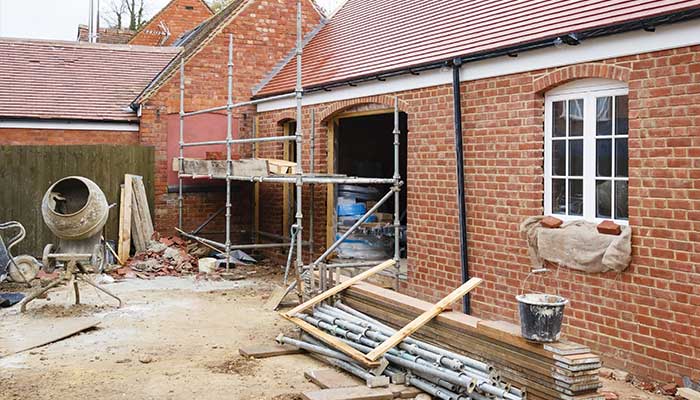
Basement development has become a viable and popular option for home/property owners seeking to add space and value in busy urban environments. In land-constrained/planning punitive cities like London, building down often makes far more sense than growing out or up. Yet basement construction is one of the most extreme forms of residential development. Civil engineers form the backbone of every safe and successful project.
It is the responsibility of civil engineers to minimise risks, maintain structural integrity and protect other properties in the vicinity. Their involvement is crucial from the feasibility stage all the way to delivery. For homeowners working with basement contractors in London, a proper civil engineering structure is what makes the difference between a project executed well and what could be an expensive and dangerous disaster.
Why Basement Construction Requires Specialist Engineering
Unlike ordinary extensions, basements are constructed under existing buildings and close to adjacent structures. This poses complicated problems such as soil stability, groundwater management, load transfer and temporary structural support.
Civil engineers are taught to comprehend and predict how forces pass through structures and the ground below. Their job is to make sure that all digging and building work is a safe distance from the current structure, and the other buildings around. In London, where a large proportion of homes date from Victorian or Edwardian times and sit on shallow foundations, this need is even greater.
Those involved in this work, including basement contractors London, lean heavily on the civil engineering London professionals to develop a solution that safely resolves these issues and is compliant too.
Feasibility Studies and Early Risk Assessment
While construction may be what many think of first when considering the role of a civil engineer, their work goes beyond being in the field. In the feasibility stage, engineers evaluate whether a basement is even technically possible on a specific property.
This assessment typically includes:
· Reviewing existing structural drawings
· Analysis of the age and construction type of property
· Evaluating proximity to neighbouring buildings
· Identifying potential Party Wall implications
· Assessing access constraints for excavation
What’s more, civil engineers work with homeowners and basement contractors in London to explain what is possible based on current building codes so that expensive design changes aren’t necessary halfway through a project.
Ground Investigation and Soil Analysis
One of the most important responsibilities of civil engineers in basement construction is understanding ground conditions. Soil type, bearing capacity, and groundwater levels all influence how a basement should be designed and built.
In civil engineering London projects, ground investigations often include:
- Trial pits
- Borehole testing
- Soil classification
- Groundwater monitoring
· Clay soils, which are found throughout much of London, interact with materials like sand or gravel and can expand or shrink as they get moisture. Civil structural engineers use these data to design Foundations, and any associated waterproofing schemes relevant to site specifics.
Structural Design and Load Management
It changes how loads are carried down, below an existing building. It can, unfortunately, potentially cause cracking, moving and even catastrophic failure without the correct engineering.
Civil engineers are responsible for:
- Designing underpinning systems
- Calculating load redistribution
- Specifying structural elements such as reinforced concrete slabs and retaining walls
- Ensuring compatibility with existing foundations
This structural design work ensures that both the existing property and the new basement remain stable throughout construction and over the long term.
Basement contractors London depend on precise engineering calculations to carry out construction safely and in the correct sequence.
Underpinning and Excavation Methodology
Underpinning is the most technically critical area of a basement development. Civil engineers will evaluate soil profiles, the type of structure, and site conditions to determine the most suitable form of underpinning.
Common methods include:
- Mass concrete underpinning
- Beam and base underpinning
- Mini-piled underpinning
- Secant or contiguous pile walls
Civil engineering London based has the expert knowledge to carry out excavation in stages, ensuring support for the structure at all times. Incorrect Sequence or Improper Underpinning is a Major Reason for Basement Construction Failure.
Temporary Works and Construction Sequencing
Temporary works are critical to basement safety but are often overlooked by non-specialists. These include props, braces, and temporary retaining systems used during excavation and construction.
Civil engineers design and oversee:
- Temporary propping systems
- Excavation sequencing plans
- Structural monitoring regimes
- Safe removal of temporary supports
Basement contractors in London must follow these designs precisely to prevent ground movement and structural damage during the build.
Waterproofing and Drainage Strategy
Basements are inherently vulnerable to water ingress. Civil engineers work alongside waterproofing specialists to design systems that comply with BS 8102 standards.
Their role includes:
- Assessing groundwater pressure
- Designing drainage systems
- Specifying appropriate waterproofing types
- Ensuring long-term maintainability
When a basement has the proper waterproofing design, it not only protects the structure of your basement but keeps that valuable space usable for many years to come. Poor workmanship at this point can lead to expensive repairs down the line.
Monitoring and Protecting Neighbouring Properties
In urban settings, basement construction rarely affects just one building. Civil engineers are responsible for minimising risk to adjoining properties through careful monitoring and protective measures.
This includes:
- Structural movement monitoring
- Vibration assessments
- Crack monitoring
- Reviewing Party Wall requirements
Civil engineering London professionals often work closely with Party Wall surveyors to ensure compliance and prevent disputes during construction.
Compliance with Regulations and Standards
Basement construction must comply with multiple regulatory frameworks, including Building Regulations, Party Wall legislation, and health and safety requirements.
Civil engineers ensure that:
- Structural designs meet Building Regulations
- Construction methods align with approved drawings
- Risk assessments are technically sound
- Safety standards are upheld throughout the project
For basement contractors in London, having experienced civil engineers involved helps ensure smooth approvals and inspections.
Collaboration with Basement Contractors
A successful basement project relies on strong collaboration between civil engineers and basement contractors in London. Engineers provide the technical design and oversight, while contractors deliver the construction work on site.
Effective collaboration ensures:
- Designs are practical and buildable
- Site conditions are responded to quickly
- Unexpected issues are resolved safely
- Construction progresses efficiently
Civil engineering London expertise bridges the gap between design intent and real-world construction challenges.
Long-Term Performance and Structural Longevity
The role of civil engineers does not end at completion. Their designs influence how the basement performs over time, including resistance to settlement, water ingress, and structural movement.
A well-engineered basement:
- Protects the existing building
- Maintains property value
- Reduces maintenance costs
- Provides safe, usable space
This long-term perspective is what distinguishes professional basement construction from short-term solutions.
Conclusion
Building basements are one of the most complicated projects for residential properties in a city as crowded and varied as London! Civil engineers are essential contributors to the safety and compliance of these projects. The quality of civil engineering in London is built on from site appraisal and ground investigations, underpinning design, temporary works, through to long-term performance. When homeowners and developers are working with the best basement contractors London, they cannot afford to not bring in an experienced civil engineer. A basement constructed with sound engineering principles is more than just additional space – It’s an investment in your property’s future.
Meta Title:
Basement Contractors London: Partner with Civil Engineers
Meta Description (under 160 characters):
Discover how civil engineering expertise ensures safe, long-lasting basements. Partner with top basement contractors London for quality construction.